



 15 July ,2026
 Depreet Singh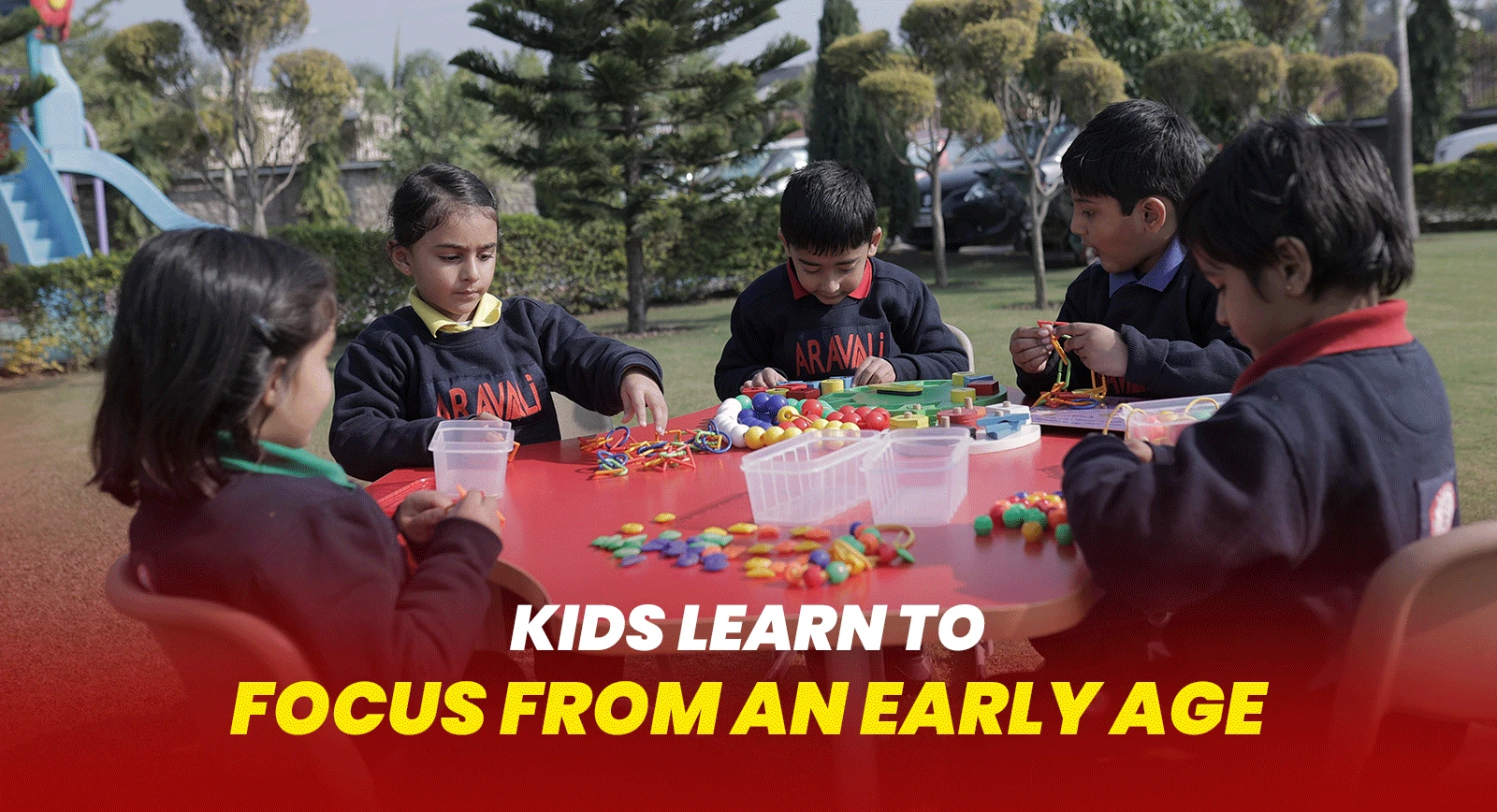
Every parent wants their child to enjoy learning, stay curious, and develop the ability to concentrate from an early age. However, helping young children focus on studies is not about asking them to spend more time with books. Instead, it involves creating an environment where learning feels meaningful, engaging, and age-appropriate.
Research in early childhood education shows that the preschool years play a significant role in shaping attention span, communication skills, emotional development, and problem-solving abilities. During this stage, children absorb information rapidly through observation, play, conversations, and hands-on experiences rather than traditional classroom instruction. Aravali Next Gen Preschool Faridabad follows a child-centered learning approach that supports these essential developmental milestones while encouraging curiosity and active participation.
For families in Faridabad, understanding how a preschool nurtures these foundational skills can make choosing the right learning environment easier. Supported by the educational philosophy of Aravali International School, the preschool follows an approach that encourages curiosity, independent thinking, structured routines, and interactive learning experiences. These elements help children gradually develop focus without making learning feel stressful.
This article explains how preschool education supports concentration, why early learning habits matter, and how structured educational practices help children become confident learners prepared for future academic success.
Why is focus important during the preschool years?
Focus is not a skill children naturally master overnight. It develops gradually through consistent practice, engaging activities, and supportive guidance.
A child who learns to pay attention during preschool often develops stronger:
- Listening skills
- Memory retention
- Language development
- Problem-solving ability
- Classroom participation
- Emotional regulation
- Confidence while learning
Instead of expecting long periods of concentration, early childhood education encourages children to improve attention in small, achievable steps.
How does Aravali Next Gen Preschool Faridabad encourage early learning?
Aravali Next Gen Preschool Faridabad follows an age-appropriate learning model where children explore concepts through activities rather than memorization.
The learning environment typically includes:
Play-based learning
Young children naturally learn through play. Activities involving blocks, puzzles, storytelling, pretend play, and creative art help children remain engaged while strengthening concentration.
Rather than sitting through lengthy lessons, children actively participate in learning experiences that match their developmental stage.
Structured daily routines
Children feel more comfortable when they know what comes next.
Daily routines may include:
- Circle time
- Story sessions
- Music and movement
- Creative activities
- Outdoor play
- Quiet learning time
Predictable schedules reduce distractions and help children mentally prepare for each activity.
Why does a distraction-free classroom matter?
Young children are naturally curious.
A carefully planned classroom minimizes unnecessary distractions while encouraging exploration.
Learning spaces often include:
- Child-friendly furniture
- Organized activity corners
- Reading spaces
- Educational toys
- Visual learning materials
Such environments allow children to move comfortably while staying connected to classroom activities.
How do hands-on activities support brain development?
Young children understand concepts more effectively when they experience them directly.
Examples include:
- Sorting objects by colour or size
- Counting everyday items
- Water and sand play
- Nature observation
- Building structures with blocks
These activities stimulate curiosity while strengthening memory, logical thinking, and concentration.
Why are emotional skills connected to academic focus?
Children who feel emotionally secure usually participate more actively in classroom learning. Preschool helps children identify emotions, communicate feelings, and develop self-control through everyday interactions.
When children feel safe, respected, and encouraged, they are more likely to:
- Ask questions
- Complete activities
- Try new tasks
- Stay engaged
- Build confidence in learning
Tips for parents to improve study focus at home
Parents can support early learning using simple daily habits.
Some practical ideas include:
- Create a fixed reading routine.
- Encourage independent play.
- Reduce background television during learning time.
- Give children age-appropriate responsibilities.
- Celebrate consistency rather than perfection.
- Allow regular outdoor play for physical development.
- Keep learning enjoyable instead of competitive.
These small habits gradually strengthen children's attention span.
Conclusion
Helping children focus on studies begins long before formal academics become part of their daily routine. Early childhood education is most effective when it nurtures curiosity, encourages exploration, and develops learning habits through engaging experiences rather than pressure.
The learning approach followed at Aravali Next Gen Preschool Faridabad, aligned with the educational philosophy of Aravali International School, highlights the importance of structured routines, play-based learning, meaningful teacher guidance, and strong parent involvement. Together, these elements help children build attention, confidence, and lifelong learning skills during their formative years.
Parents exploring preschool options in Faridabad can benefit from understanding how early learning environments shape children's academic readiness, emotional growth, and ability to focus, helping them make informed educational decisions for the future.
FAQ
1. At what age should children start developing study habits?
Simple learning habits can begin between the ages of 2 and 5 through storytelling, structured play, conversations, and creative activities rather than formal academic study.
2. How does Aravali Next Gen Preschool Faridabad support concentration?
Aravali Next Gen Preschool Faridabad encourages focus through play-based learning, structured routines, interactive classroom activities, storytelling, creative exploration, and age-appropriate teaching methods.
3. Why is play-based learning effective for preschool children?
Play-based learning allows children to explore, observe, communicate, solve problems, and stay engaged naturally, making learning enjoyable while supporting cognitive development.
4. How does Aravali International School's philosophy benefit preschool education?
The educational approach associated with Aravali International School focuses on balanced child development by encouraging curiosity, confidence, communication, creativity, and independent thinking alongside academic readiness.
5. What can parents do to improve their child's focus?
Parents can establish consistent routines, read daily, reduce unnecessary screen exposure, encourage creative play, maintain healthy sleep habits, and support learning through positive reinforcement.