


 23 October ,2026
 Depreet Singh

Your child is about to meet a new school for the first time. It might be a short chat. It might be a simple activity. It is natural to feel nervous before this first school meeting. Young children do not need heavy coaching. They need calm, routine, and a parent who keeps things light.
If you are planning a school admission in Faridabad this year, this guide will help. It explains what to expect, what to practise at home, and what to confirm with the school before the day.
Interaction or Assessment? Know What Your Child Will Face
The format depends on your child's age and the school. A play-based chat for a three-year-old looks very different from a written check for an older child. Before you begin your school admission in Faridabad journey, find out which format applies to your child. It changes how you prepare.
What One School's Published Guidelines Say
Here is a real example of how formats can differ by grade.
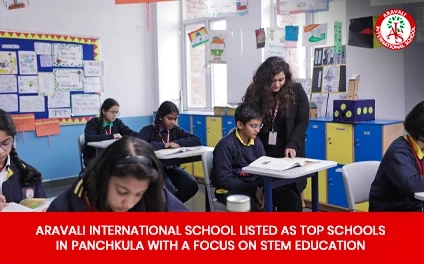
- Interaction for younger children: At Aravali International School, the Sector 43 campus guidelines say foundation-year admissions involve a formal interaction of the child and parent with the school head.
- Written assessment for older children: The same guidelines state that admission to Grade II and above is based on a written assessment, with dates shared with parents.
- Age rules apply: The school follows NEP 2020 age criteria, counted as of 31 March of the admission year. For example, Nursery needs 3+ years.
- Every campus may differ: Formats, timings, and paperwork can vary by campus and grade. Always check the official admission page for your preferred branch before you start preparing.
Once you know the format, preparation becomes much simpler.
What Teachers May Observe in Young Children
In a foundation-year interaction, teachers often look at everyday skills. These are common areas, though every school uses its own approach.
- Basic communication: Can your child say their name, answer a simple question or ask for help? Short replies are perfectly fine. Teachers just want to hear your child speak.
- Social comfort: Teachers may notice if your child can sit with a new adult, share a toy or take turns. A shy start is common at this age.
- Readiness skills: Simple tasks like naming colours, sorting shapes or holding a crayon can show readiness. A child admission assessment for older grades may instead include written work.
- Independence: Can your child open a tiffin, wear shoes or use the washroom alone? Small self-help skills show your child is getting ready for a classroom day.
Every child develops at their own pace, so try not to compare your child with others.
Early Learning in India at a Glance
National survey data adds useful context.
- Pre-primary enrolment is rising: In rural India, 3-year-old enrolment rose from 68.1% in 2018 to 77.4% in 2024, and 4-year-olds reached 83.3% (ASER Centre, 2025).
- A national rural picture: These figures come from an all-India rural household survey, so they show broad trends rather than city or Faridabad numbers (PIB, 2025).
The figures show that pre-primary participation has grown steadily in rural India.
How to Prepare Your Child at Home
Good school admission preparation happens in everyday moments. A few habits, repeated over some weeks, can help your child feel settled.
Build Comfort With Conversation
- Talk about the visit: Tell your child they will meet a kind teacher and maybe play a game. Keep it simple and happy. Avoid words like test or exam.
- Read together daily: First Things First recommends reading with your child for at least 20 minutes a day. It builds vocabulary and listening skills (First Things First).
- Practise questions through play: Use toys or a pretend game to ask "What is your name?" or "Which colour do you like?" Play makes answering feel normal and safe.
Educator and children's TV host Fred Rogers once wrote, "Play is often talked about as if it were a relief from serious learning. But for children, play is serious learning" (Rogers, 1994, cited by Pennsylvania Head Start Association).
A Simple Home Practice Checklist
Use these light activities as daily play, not drills.
|
Skill area |
Gentle practice at home |
|
Communication |
Practise saying their name and talking about a favourite toy |
|
Listening |
Read a short story and talk about the pictures |
|
Fine motor skills |
Draw, colour, sort objects or use building blocks |
|
Independence |
Practise opening a lunchbox, washing hands and asking for help |
|
Social interaction |
Play simple turn-taking games |
Keep sessions short and stop when your child loses interest.
Set a Steady Routine
A consistent sleep and wake-up routine can help children feel more settled.
- Protect sleep: Children aged 3 to 5 usually need 10 to 13 hours of sleep a day, including naps (Better Health Channel, 2025). A rested child is often calmer and more willing to talk.
- Shift bedtime slowly: If evenings run late, move bedtime about 15 minutes earlier every few days. Sudden changes often backfire and leave children cranky on the big day.
- Practise short separations: Leave your child with a grandparent or neighbour for brief spells. This helps if the interaction includes some time with a teacher.
Keep all of this warm and short. It should never feel like homework.
What to Do on the Day of the Interaction
Treat the day like a pleasant outing. These school admission interaction tips can help you and your child stay relaxed.
- Confirm the details first: Ask the school about reporting time, duration, documents to carry, and whether a parent stays in the room. A quick call removes guesswork.
- Prepare for your own conversation: Many schools also speak with parents. Think about your child's routine, interests and needs, and note any questions you want to ask.
- Arrive early: Reach 15 minutes before your slot. Let your child see the campus, the play area and the classrooms so the place feels familiar.
- Stay calm yourself: Children often pick up on their parents' mood. If you stay relaxed, your child is more likely to feel safe and open up.
- Let your child answer: Let them reply in their own words, even if it takes a moment. Honest, simple answers come across better than rehearsed ones.
Whatever happens, praise your child for trying.
Extra Tips for Preschool and Nursery Parents
Very young children need an even softer approach. Good preschool admission interview preparation is mostly about trust and familiarity.
- Expect short attention spans: A three-year-old may wander, go quiet or want to play with one toy only. This is common, so be patient.
- Bring a comfort object: A small soft toy or a familiar bottle can help your child settle. Ask the school first if it is allowed in the room.
- Plan for tears: If your child gets upset, stay calm and follow the teacher's guidance. Ask beforehand how the school supports children who need extra time to settle.
The goal is to help the school understand your child. Nobody expects a performance.
A Calm Start to Your Child's School Journey
Getting ready for a school admission in Faridabad does not need flashcards or pressure. It needs rest, routine, play and clear information from the school. If you are considering Aravali International School, read the admission guidelines for your preferred campus first. Then confirm the format, documents and any instructions directly with the admissions team.
Should I teach my child set answers before the interaction?
No, it is better not to. Rehearsed answers often sound stiff, and teachers notice quickly. Instead, chat with your child daily, read together and play simple question games. This builds real confidence that shows naturally during the school visit itself.
What if my child cries or refuses to talk?
This can happen, especially with younger children. Stay calm and follow the teacher's guidance. You can ask the school beforehand how it supports children who need extra time to settle. Please avoid scolding or pushing your child about it later.
How early should I start preparing before applying to Aravali International School?
A suggested window is four to six weeks before the interaction date. This is not an official requirement. It gives time to settle sleep routines, practise short separations and build daily reading habits at home. Gentle, steady practice works best.
Will the school ask parents questions too?
Often, yes. At some schools, parents join the interaction with the school head. Expect questions about your child's routine, interests and needs. Answer honestly, since there are no perfect answers. The aim is to understand how to support your child.