



 21 February ,2026
 Depreet Singh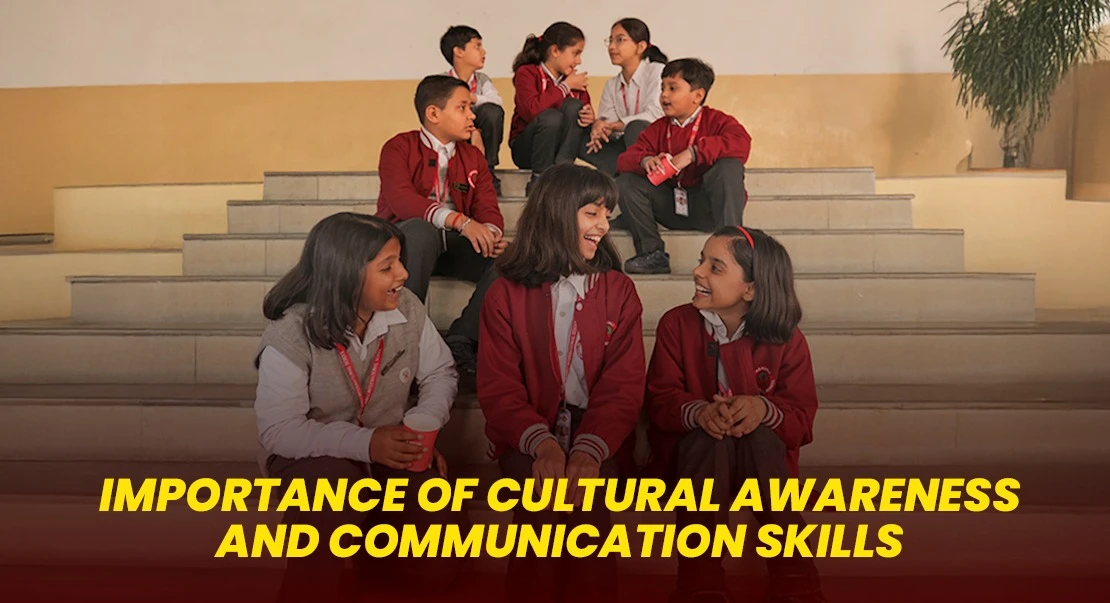
In a classroom where five languages are spoken, where cultural traditions are shared with pride, and where students collaborate across continents through technology, education becomes something far greater than academics. In today’s interconnected world, success depends not only on what students know but on how well they understand others and how confidently they can express themselves.
Parents increasingly seek schools that prepare their children for more than examinations. They want an education that builds character, confidence, adaptability, and a global perspective. In an international school environment, two essential pillars make this possible: cultural awareness and communication skills.
These qualities shape how children think, interact, and lead. They influence academic achievement, personal confidence, university readiness, and long-term career success. While traditional models of education often emphasise subject mastery alone, international education goes further, developing globally competent, articulate, and socially responsible individuals prepared to thrive anywhere in the world.
This article explores why cultural awareness and communication skills are fundamental components of an international school education, and how they shape a child’s future in meaningful and lasting ways.
Why Cultural Awareness Is Essential in an International School
An international school is not simply diverse; it is intentionally global. In one classroom, students may represent multiple continents, languages, and traditions. That daily proximity to difference shapes how they think, how they communicate, and how they see the world. Cultural awareness here is not just theoretical; it is woven into everyday life.
1. Broader Perspectives
Learning alongside peers from different backgrounds challenges assumptions. A classroom discussion can shift when someone shares a perspective shaped by another culture or lived experience. Students begin to understand that ideas are influenced by context and that thoughtful dialogue leads to stronger thinking.
2. Respect and Empathy
Real understanding grows through shared experience, working on projects, competing in sport, and creating in the arts. Over time, students become more attentive listeners and more thoughtful communicators. They learn to approach differences with curiosity rather than judgment. That habit of respect stays with them.
3. Confidence in Global Environments
Students educated in multicultural settings are rarely intimidated by international spaces. Whether entering a university abroad or joining a global team, they are used to navigating varied viewpoints and communication styles. Diversity feels familiar, not overwhelming.
4. A Mindset Beyond Borders
Cultural awareness encourages students to think bigger than their immediate surroundings. They recognise that their actions connect to wider communities and global challenges. This awareness fosters responsibility, openness, and maturity.
5. A Distinct Advantage for the Future
Success depends on the ability to work across cultures with confidence and sensitivity. Students who grow up in diverse learning environments develop that ability naturally. They leave school not only academically prepared but also equipped to lead and collaborate internationally.
How Communication Skills Shape a Child’s Future
Understanding the world is one thing. Being able to express your ideas clearly, confidently, and persuasively is another. In an international school, communication is not treated as a separate subject; it is part of everyday learning.
From classroom discussions to formal presentations, students are constantly encouraged to articulate their thinking, challenge ideas respectfully, and engage with different viewpoints.
1. Academic Confidence
Students who can explain a concept clearly usually understand it deeply. When they ask thoughtful questions, defend their reasoning, or present research to an audience, they move beyond memorisation into genuine mastery.
Inquiry-based learning environments demand participation. Students learn to organise their thoughts, support arguments with evidence, and communicate with clarity, skills that elevate academic performance across every subject.
2. Voice and Self-Assurance
There is a noticeable shift when a child realises their voice matters. Contributing to discussions, leading group work, or presenting in front of peers builds confidence over time.
Public speaking stops feeling intimidating and starts feeling natural. Students develop composure, clarity, and the ability to express themselves even in high-pressure situations.
3. Sharper Thinking
Clear communication requires clear thinking. To write persuasively or debate effectively, students must analyse information, question assumptions, and structure logical arguments.
The process strengthens reasoning skills and intellectual discipline. They learn not just what to think, but how to think.
4. Leadership in Action
Strong communicators naturally step forward. Whether coordinating a project, representing classmates, or mediating disagreements, effective leadership depends on the ability to inspire trust and articulate ideas clearly.
International schools provide regular opportunities for students to practise these skills in real-world contexts, through student councils, service initiatives, collaborative projects, and community events.
5. Readiness for University and Career
University admissions panels and future employers consistently look for candidates who can communicate with confidence and professionalism. Interviews, presentations, teamwork, and networking all rely on this ability.
Students who develop strong communication skills early are comfortable expressing ambition, presenting ideas persuasively, and adapting their message to different audiences—an essential advantage in global careers.
6. Stronger Relationships
Communication shapes more than academic and professional outcomes. It influences friendships, teamwork, and emotional well-being.
Students who learn to listen attentively and respond thoughtfully build trust and mutual respect. These interpersonal habits support long-term personal stability and meaningful connections.
The Combined Impact: Preparing Students for a Global Future
Cultural awareness and communication skills work together to create well-rounded individuals. Cultural awareness teaches students to respect diversity and think globally. Communication skills empower them to express ideas confidently and collaborate effectively.
Together, these qualities prepare students for:
- Higher education in multicultural environments
- Leadership opportunities
- Global careers
- Meaningful social engagement
- Lifelong personal growth
In an increasingly interconnected world, success depends not only on academic knowledge but also on the ability to understand others and communicate clearly.
Conclusion
An international school education is not designed solely to prepare students for examinations. It prepares them for a world defined by diversity, collaboration, and constant change.
Cultural awareness shapes students who are open-minded, empathetic, and globally aware. Strong communication skills give them the confidence to express ideas clearly, lead with assurance, and engage thoughtfully with others.
When these qualities are embedded in everyday learning, students grow into adaptable, articulate, and resilient individuals, ready for university, ready for global careers, and ready to contribute meaningfully to society.
For parents looking beyond short-term academic results, this is the true value of international education: equipping children not just to succeed, but to thrive anywhere in the world.