




 28 June ,2026
 Depreet Singh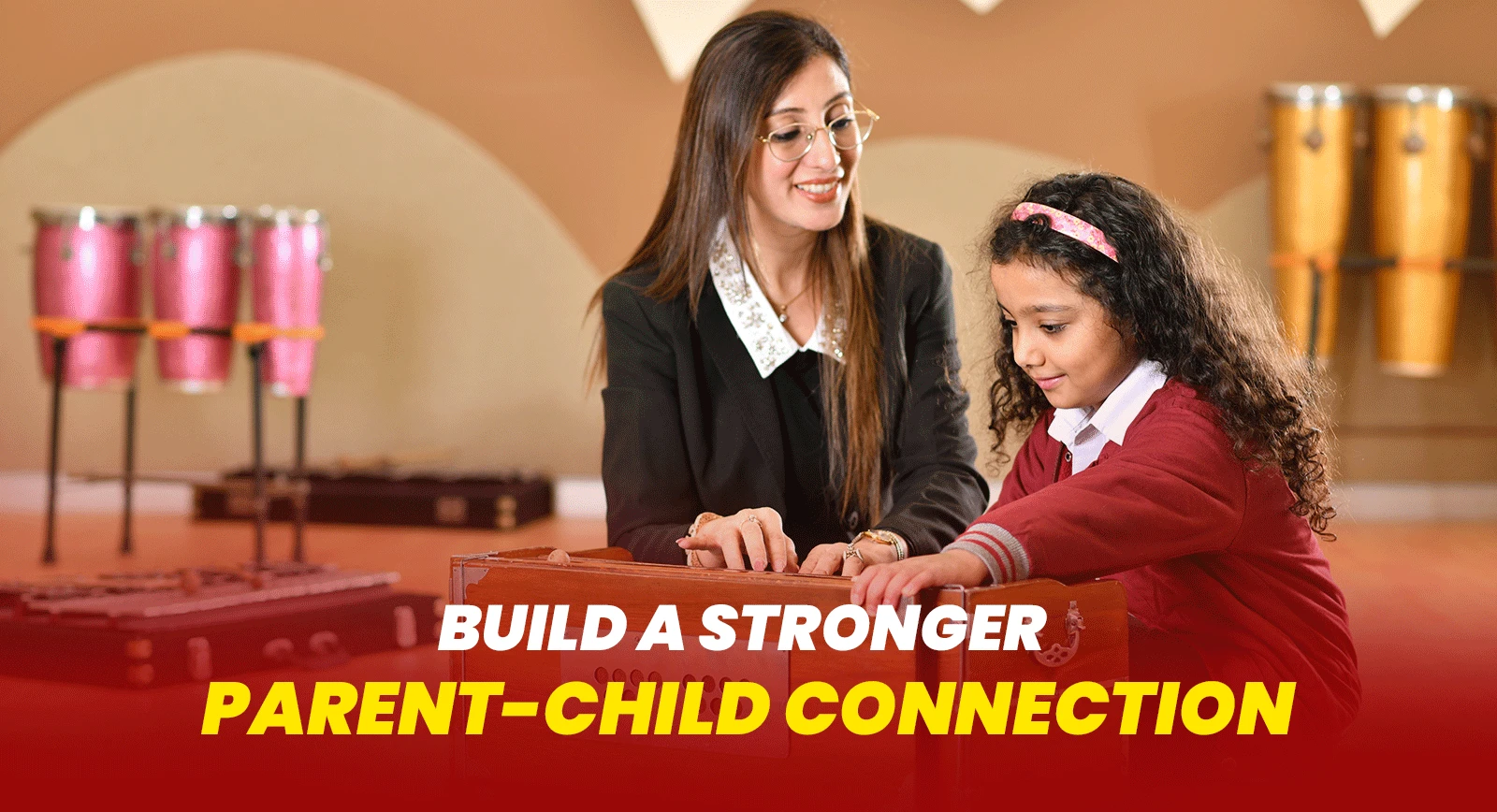
The relationship between parents and children forms the foundation of a child's emotional well-being, confidence, and overall development. In today's fast-paced world, where schedules are often packed with work, school, and digital distractions, finding meaningful ways to connect with children has become more important than ever.
Building a strong parent-child connection does not require expensive outings or elaborate plans. Often, the most valuable moments come from simple activities that encourage communication, trust, and shared experiences. Families associated with a cbse school in faridabad often recognize that consistent interaction at home complements classroom learning and supports a child's overall development. This approach helps children feel supported, understood, and valued, creating a positive environment for their growth.
In this blog, we explore five meaningful activities that can help strengthen the parent-child bond while creating memories that last a lifetime.
Why a Strong Parent-Child Connection Matters
Children thrive when they feel emotionally connected to their parents. A strong relationship provides a sense of security and helps children develop healthy social and emotional skills.
Benefits of strong parent-child bonding include:
- Improved communication and trust
- Greater emotional resilience
- Increased self-confidence
- Better problem-solving abilities
- Stronger social relationships
- Enhanced academic motivation
When parents actively engage with their children, they create a supportive environment where learning and personal growth happen naturally.
1. Create a Family Project Together
Working on a shared project encourages teamwork and cooperation. The project can be simple, such as creating a family scrapbook, planting a small garden, decorating a room, or building a craft item together.
These experiences allow parents and children to:
- Work toward a common goal
- Share ideas and responsibilities
- Practice patience and collaboration
- Celebrate achievements together
Family projects create opportunities for meaningful conversations while helping children develop creativity and problem-solving skills.
2. Enjoy Nature Walks and Outdoor Exploration
Spending time outdoors offers numerous benefits for both physical and emotional well-being. Nature walks provide a relaxed setting where parents and children can talk without distractions.
During outdoor activities, families can:
- Observe plants, birds, and insects
- Discuss interesting discoveries
- Play simple outdoor games
- Encourage curiosity about the environment
These shared experiences strengthen relationships while helping children develop observation and critical-thinking skills.
3. Establish a Daily Conversation Routine
One of the simplest yet most effective ways to build a strong connection is through regular conversation. Setting aside a few minutes each day to talk allows children to share their thoughts, experiences, and emotions.
Parents can ask questions such as:
- What was the best part of your day?
- Did you learn something interesting today?
- What made you happy or challenged you today?
Listening attentively without judgment helps children feel respected and understood. Over time, these conversations build trust and encourage open communication.
4. Learn a New Skill Together
Learning something new as a team creates excitement and strengthens the parent-child relationship. Whether it is cooking a new recipe, learning basic photography, trying a musical instrument, or exploring a new language, shared learning experiences promote mutual growth.
Benefits of learning together include:
- Building confidence
- Encouraging perseverance
- Developing curiosity
- Creating shared accomplishments
Children often feel motivated when they see parents participating alongside them, making the learning process more enjoyable and meaningful.
5. Dedicate Time for Family Reading
Reading together remains one of the most powerful bonding activities. For younger children, parents can read stories aloud and discuss the characters and lessons. Older children can participate by reading independently and sharing their thoughts.
Family reading helps:
- Improve communication skills
- Expand vocabulary and knowledge
- Encourage imagination and creativity
- Foster deeper discussions
These quiet moments create a sense of closeness while supporting intellectual development.
How Meaningful Activities Support Child Development
The impact of parent-child bonding extends far beyond emotional connection. Regular interaction through purposeful activities contributes significantly to a child's overall growth.
Emotional Development
Children who spend quality time with their parents often develop stronger emotional awareness and better coping skills.
Social Skills
Shared activities teach children how to communicate, cooperate, and build healthy relationships with others.
Cognitive Growth
Activities involving exploration, discussion, and learning help improve critical thinking, creativity, and problem-solving abilities.
Confidence Building
When children receive attention, encouragement, and support from their parents, they develop greater self-esteem and confidence in their abilities.
Creating a Supportive Environment for Growth
While strong family relationships begin at home, they are further strengthened when children are part of a nurturing educational environment. Parents often look for schools that focus on holistic development along with academic excellence.
For families exploring the cbse school in faridabad, choosing an institution that encourages collaboration, communication, and emotional well-being becomes very important. One such school that follows this balanced approach is Aravali International School, where students are given opportunities to build confidence, form meaningful relationships, and grow into well-rounded individuals.
Conclusion
Building a stronger parent-child connection does not require grand gestures. Small, consistent efforts can have a lasting impact on a child's emotional and personal development.
Whether it is working on a family project, exploring nature, having daily conversations, learning new skills, or reading together, these activities help create trust, understanding, and lifelong memories.
As children grow, the strength of their relationship with their parents becomes a valuable source of confidence and support. By investing time in meaningful interactions today, parents can help lay the foundation for a positive and lasting connection that benefits children throughout their lives.
FAQ
1. Why is parent-child bonding important?
Parent-child bonding helps build trust, emotional security, confidence, and healthy communication. Strong relationships support a child's overall development and well-being.
2. How much time should parents spend with their children daily?
The quality of time matters more than the quantity. Even 15-30 minutes of focused interaction each day can strengthen the parent-child relationship.
3. What are some simple bonding activities for busy families?
Daily conversations, reading together, cooking meals, taking short walks, and playing games are effective ways to connect despite busy schedules.
4. How do bonding activities support learning?
Bonding activities encourage communication, creativity, problem-solving, and emotional development, all of which contribute to better learning outcomes.
5. Can parent-child bonding improve a child's confidence?
Yes. When children feel valued, supported, and understood by their parents, they develop stronger self-esteem and confidence in their abilities.