


 05 February ,2026
 Depreet Singh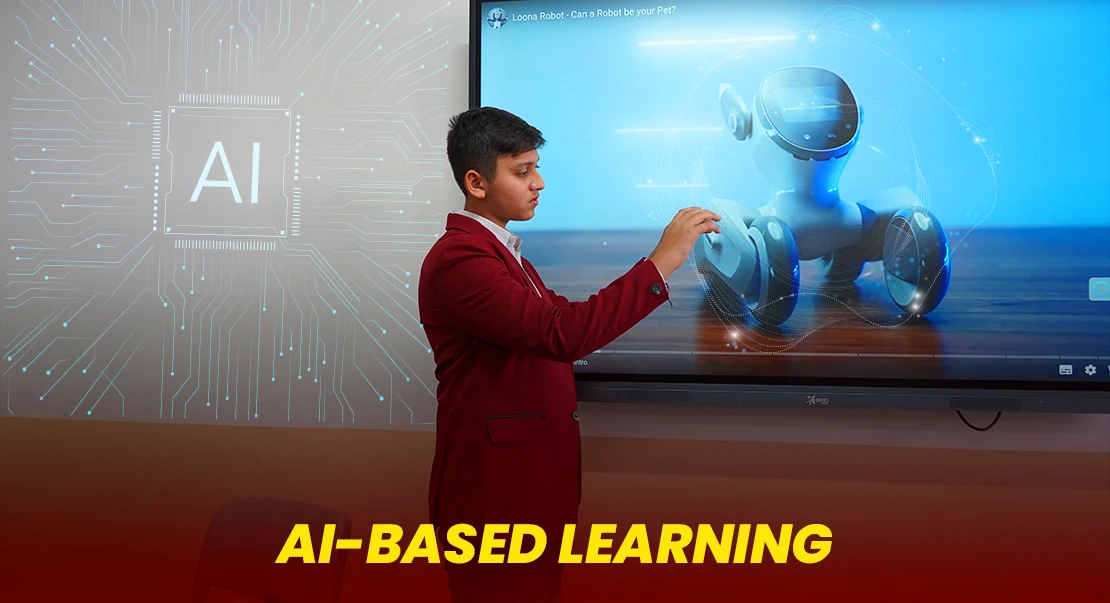
A few years ago, “AI in education” sounded like something far off and futuristic. Today, it’s already part of our children’s daily learning, sometimes without us even realizing it. From learning apps that adjust difficulty levels automatically to online platforms that suggest what a child should study next, artificial intelligence is quietly shaping how kids learn.
For parents in Faridabad, this change often brings mixed feelings. On one hand, AI-based learning feels exciting and modern. It promises personalized education, faster improvement, and access to high-quality learning tools. On the other hand, it also raises genuine concerns about too much screen time, less human interaction, and whether children might become overly dependent on technology.
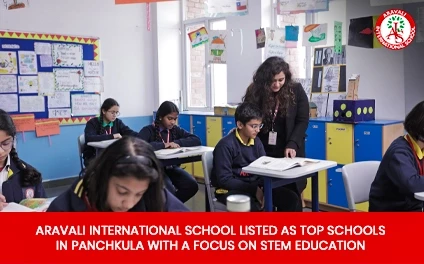
Interestingly, many reputed institutions, including some of the best schools in Panchkula, have already started using AI in a controlled and thoughtful way. Schools such as Aravali International School focus on using AI as a support system, not a replacement for teachers or classroom values.
So, is AI-based learning truly helpful for kids, or does it come with hidden drawbacks? Let’s look at the pros and cons honestly without hype, and with a parent’s perspective in mind.
What Is AI-Based Learning in Simple Terms?
AI-based learning uses technology that can “learn” from a child’s performance and adapt accordingly.
In real life, this looks like:
- Apps that make questions easier or harder based on answers
- Platforms that track progress and suggest revision topics
- AI tutors that help with doubts instantly
- Smart assessments that highlight weak areas
The goal isn’t to teach more, but to teach better at the child’s own pace.
Pros of AI-Based Learning for Kids
1. Learning Becomes More Personalized
One of the biggest advantages of AI-based learning is that it recognizes that no two children learn the same way.
In practical terms:
- A child struggling with math gets extra practice
- A fast learner moves ahead without feeling bored
- Lessons adapt instead of forcing one fixed pace
This kind of personalization is something traditional classrooms often struggle to provide.
2. Instant Feedback Helps Kids Improve Faster
In a regular classroom, children may wait days to know whether they understood something correctly. AI changes that.
With AI tools:
- Mistakes are corrected immediately
- Kids understand why an answer is wrong
- Learning gaps are identified early
This quick feedback loop builds clarity and confidence.
3. Reduces Fear of Making Mistakes
Many children hesitate to ask questions in class due to fear of embarrassment. AI-based learning offers a safe space to try, fail, and learn.
This helps children:
- Practice without pressure
- Learn independently
- Build confidence gradually
For shy or introverted kids, this can be especially helpful.
4. Encourages Independent Learning Habits
AI-based platforms often motivate children to take ownership of their learning.
Over time, kids learn to:
- Manage their study time
- Explore topics on their own
- Develop curiosity beyond textbooks
These habits are valuable for long-term academic growth.
5. Prepares Kids for a Tech-Driven Future
Like it or not, technology is a major part of future careers. Early exposure helps children feel comfortable with digital tools.
Many forward-thinking schools, including Aravali International School, introduce AI tools carefully so children can gain confidence without becoming overly dependent.
Cons of AI-Based Learning for Kids
1. Screen Time Can Increase Quickly
This is the most common concern among parents, and rightly so.
Too much screen exposure may lead to:
- Eye strain
- Reduced physical activity
- Shorter attention spans
Without limits, AI learning can become more harmful than helpful.
2. Less Face-to-Face Interaction
Education is not only about academics. Children also learn social skills, teamwork, and emotional understanding through human interaction.
Over-reliance on AI may cause:
- Less communication with teachers
- Fewer peer interactions
- Weaker emotional development
No technology can replace a real human connection.
3. Risk of Over-Dependence on Technology
If children rely too much on AI tools, they may struggle to think independently.
Possible challenges include:
- Expecting instant answers
- Difficulty learning without digital help
- Reduced problem-solving patience
Strong fundamentals still need teacher guidance and practice.
4. AI Cannot Understand Emotions
AI can track performance, but it cannot sense frustration, stress, or emotional struggles.
Only teachers can:
- Motivate a discouraged child
- Build moral values
- Understand emotional needs
This is why AI should always support, not replace, teachers.
5. Data Privacy and Safety Concerns
AI platforms collect data to personalize learning. This naturally worries parents.
Key concerns include:
- How data is stored
- Who has access to it
- Whether platforms are child-safe
Trusted schools and regulated platforms reduce these risks significantly.
The Right Approach: Balance Is Everything
The real question is not whether AI-based learning is good or bad; it’s how it’s used.
A healthy learning balance looks like:
- Teachers leading the classroom
- AI supporting practice and assessment
- Controlled and supervised screen time
- Equal focus on values, discipline, and creativity
This blended model is followed by many reputed institutions, including Aravali International School, similar to practices seen in the best schools in Panchkula.
Why This Matters to Parents in Faridabad
Parents in Faridabad are increasingly aware of global education trends. They want their children to be confident, capable, and future-ready without losing emotional and social grounding.
AI-based learning, when used wisely:
- Supports individual learning needs
- Improves confidence
- Helps children stay competitive
But it must always be guided by teachers and parents.
FAQs
1. Is AI-based learning safe for children?
Yes, when used through trusted platforms and under adult supervision.
2. Can AI replace classroom teaching?
No. AI supports learning but cannot replace teachers or real classrooms.
3. At what age should AI-based learning start?
It can begin gradually from early grades using age-appropriate tools.
4. Do reputed schools use AI-based learning?
Yes. Many of the best schools in Panchkula, and schools like Aravali International School, use AI in a balanced way.
5. How much AI learning is ideal?
AI should complement classroom learning, not dominate it.
Conclusion:
AI-based learning is neither a magic solution nor a threat. It’s a powerful tool that can make learning more personalized, engaging, and effective if used correctly. The risks mainly arise when technology replaces human guidance instead of supporting it.
Schools that understand this balance stand out. Aravali International School, much like some of the best schools in Panchkula, focuses on blending AI tools with strong teaching values, emotional development, and real-world learning.
For parents in Faridabad, the key takeaway is simple: AI-based learning works best when it supports teachers, respects limits, and keeps the child’s overall growth at the center. When balanced well, AI doesn’t just teach children better, it helps them grow smarter, more confident, and more prepared for the future.