



 29 October ,2026
 Depreet Singh
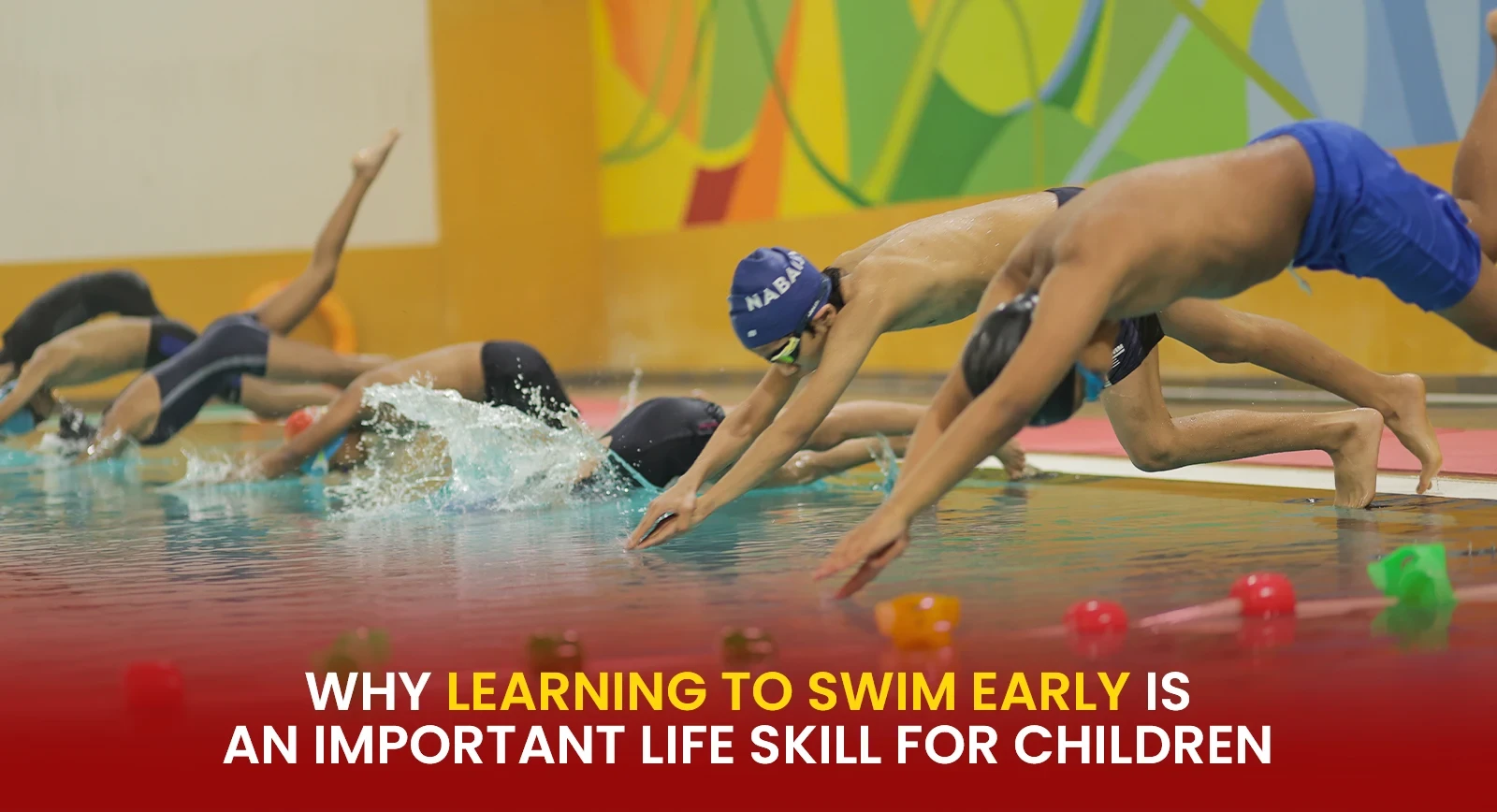
Swimming can be an enjoyable way for children to move, build confidence and become more comfortable around water. It is also a skill that deserves careful attention from parents because pools, ponds, water parks and other water bodies can pose serious risks. Before choosing a swimming programme, families should consider the child’s readiness, the quality of instruction and the safety arrangements in place.
Parents searching for a school in Faridabad with a swimming pool should look beyond the presence of a pool on campus. They should find out whether swimming is part of the regular programme, whether trained instructors supervise sessions and what safeguards are used for children with different levels of experience. A pool is a facility; safe, structured use of that facility is what matters.
What to Check at a School in Faridabad with Swimming Pool
When evaluating a school in Faridabad with a swimming pool, ask for specific details about how aquatic activities are managed. Do not assume that every school with a pool offers formal lessons or that every student uses it as part of the timetable.
Useful questions include:
- Are sessions led by trained instructors?
- How many children are assigned to each instructor?
- Are students grouped according to age and swimming ability?
- Are lifeguards or designated safety personnel present?
- What rules apply to entering and leaving the pool?
- How are water quality, pool access and emergency procedures managed?
- Can parents review the swimming programme before enrolment?
The answers should explain both the learning plan and the safety arrangements. If a school offers swimming, ask whether it is a regular activity, an optional programme or available only to selected classes.
At Aravali International School, parents can contact the relevant campus to confirm whether swimming is available, which age groups can participate and what supervision arrangements apply. These details should be verified directly rather than assumed from the school’s general facilities information.
How Swimming Can Support a Child’s Development
Swimming gives children an opportunity to practise coordinated movements, follow instructions and become familiar with a different physical environment. It can also help them learn patience because new skills often require repeated practice.
The benefits of swimming for kids may include improved physical activity, greater comfort in water and opportunities to develop confidence as skills improve. However, progress depends on the child, the instruction provided and regular practice. Swimming should not be treated as a guarantee of safety around water.
Children may initially feel nervous about entering a pool, putting their face in the water or moving away from the poolside. A supportive instructor can introduce skills gradually and avoid forcing a child to do something that causes distress. Parents should communicate any concerns, including fear of water or relevant health considerations, before lessons begin.
Choose Lessons That Match the Child’s Readiness
The right starting point depends on age, development, comfort level and the quality of the programme. Some children enjoy water immediately, while others need time to become familiar with it. Parents should ask whether the instructor uses age-appropriate activities and provides enough individual attention.
When comparing swimming classes for kids, observe a session if the provider allows it. Notice whether the instructor explains tasks clearly, monitors every child and adapts activities to different ability levels. Ask how progress is assessed and what children are expected to learn before moving to the next level.
Lessons should build skills step by step. Parents should also understand that a child who can swim across a pool may still be vulnerable in unfamiliar water, strong currents or unexpected situations.
Water Safety Must Remain a Priority
Formal swimming lessons for children can help develop water competence, but they do not remove the need for adult supervision. The US Centers for Disease Control and Prevention advises close, constant supervision of children in or near water, even when they have taken swimming lessons. CDC water safety guidance
Children should learn basic rules from the beginning:
- Never enter a pool without permission and appropriate adult supervision.
- Do not run, push others or play roughly near the pool.
- Use designated entry and exit points.
- Follow the instructor’s directions.
- Never swim alone, even if they are confident in the water.
- Tell an adult immediately if another swimmer appears to be in difficulty.
Parents should remain attentive around water rather than relying on lifeguards or swimming ability alone. Young children need particularly close supervision. Safety rules should apply during school activities, family outings and visits to friends’ homes.
Ask About Emergency Preparedness
A school or swimming provider should be able to explain how staff respond to an incident. Ask whether responsible personnel are trained in relevant emergency procedures, how help is summoned and how parents are contacted if a child is injured or unwell.
Families should also check whether children are expected to bring specific equipment and whether the programme has arrangements for changing, hydration and supervision before and after sessions. Clear procedures help children understand that swimming is both a recreational activity and a responsibility.
Parents can ask Aravali International School for campus-specific information about its sports facilities and applicable safety procedures before deciding whether the available programme meets their expectations.
Helping Children Build Confidence Without Pressure
Children learn at different speeds. A child who is hesitant in the water may need shorter sessions, encouragement or time to watch others before participating. Progress should be measured against the child’s own starting point rather than compared with classmates.
Parents can reinforce learning by discussing pool rules, praising effort and avoiding pressure to perform. At the same time, they should be realistic about what lessons can achieve. Water safety includes supervision, appropriate barriers around pools where relevant, life jackets for suitable water activities and awareness of environmental risks.
For families considering a school in Faridabad with a swimming pool, Aravali International School is one option to contact for current campus-specific details. Ask about availability, age eligibility, instruction and safety procedures, then compare the information with other priorities such as academics, travel and the child’s wider school experience.
Frequently Asked Questions
1. At what age can children start swimming lessons?
Readiness varies according to the child and the programme. Parents should choose age-appropriate instruction and discuss any health or developmental concerns with a qualified professional. Very young children require close, hands-on adult supervision in and around water, including during lessons.
2. Does learning to swim mean a child can be left alone in a pool?
No. Swimming ability does not eliminate the risk of drowning. Children need close, constant adult supervision whenever they are in or near water. They should never be expected to supervise other children simply because they have taken lessons.
3. What should parents look for in a swimming instructor?
Ask about training, experience with the child’s age group, class size, safety procedures and how lessons are adapted to different abilities. If possible, observe a session and check whether the instructor can monitor children closely while giving clear, age-appropriate instructions.
4. What safety rules should children learn first?
Children should ask permission before entering water, follow adult instructions, avoid running near the pool and never swim alone. They should also learn to call for help rather than attempting a risky rescue themselves.
5. Should parents choose a school mainly because it has a swimming pool?
No. A pool may be a useful facility, but it should not outweigh safety, teaching quality, student support and the overall fit of the school. Confirm whether swimming is actually offered to your child’s age group and ask how the programme is supervised.