



 24 April ,2026
 Depreet Singh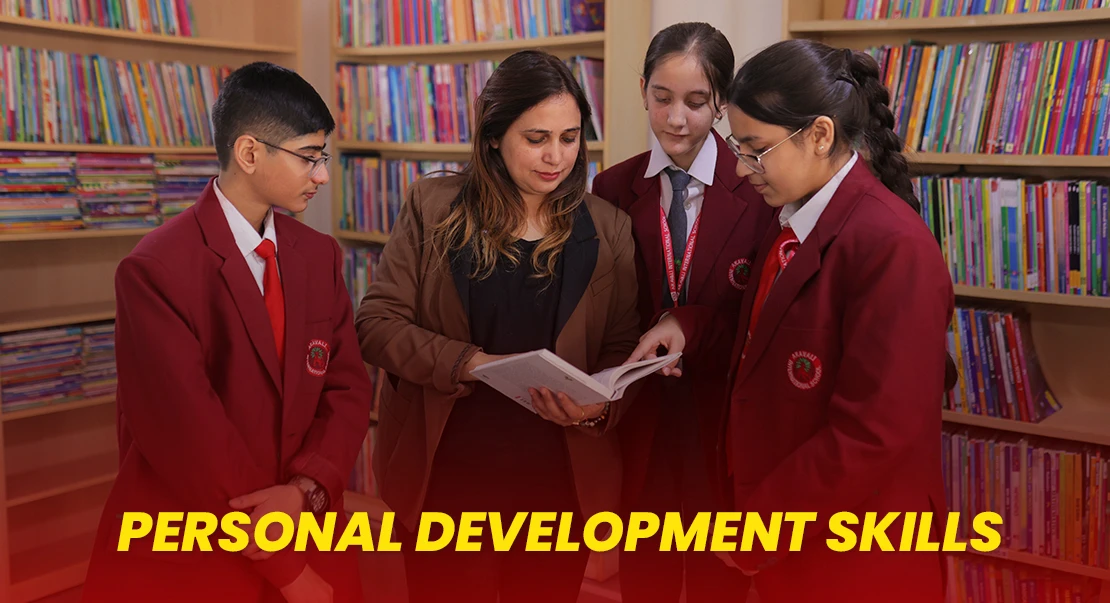
Personal development is not a one-time effort but an ongoing journey shaped by awareness, discipline, and adaptability. Whether you are a student, a working professional, or a self-learner, cultivating structured habits can significantly enhance your growth trajectory.
In a diverse learning landscape like India, personal development is influenced by both individual initiative and supportive systems. By combining intentional practices with flexible learning approaches, individuals can steadily build essential life, academic, and professional skills.
Building a Strong Foundation for Growth
The starting point of personal development lies in self-awareness. Understanding your abilities, limitations, motivations, and long-term aspirations creates a solid base for meaningful progress. Honest reflection allows you to identify areas for improvement while reinforcing your existing strengths.
Simple daily practices, when followed consistently, can make a lasting impact. Maintaining a journal, seeking constructive feedback, and setting realistic short-term goals encourage consistent improvement. Over time, these habits enhance communication, emotional intelligence, and time management.
Growth also accelerates when individuals step beyond routine learning. Exploring new interests, engaging in reading, or participating in community initiatives can broaden perspectives and build adaptability. This willingness to learn and evolve becomes a driving force for continuous self-improvement.
Skill Development Through Workshops and Experiences
Structured programs such as workshops, seminars, and training sessions play a vital role in developing well-rounded skills. These platforms often focus on leadership, creativity, and interpersonal communication, combining theoretical knowledge with practical application.
Interactive activities like group discussions, debates, and collaborative projects help individuals think critically and express ideas with clarity. Such experiences also strengthen confidence and teamwork abilities.
Beyond formal settings, experiential learning adds another dimension to growth. Volunteering, cultural participation, and peer mentoring provide real-world exposure that fosters empathy, problem-solving, and resilience. Learning through action not only deepens understanding but also builds self-reliance.
A balance between independent learning and group engagement creates a more comprehensive development process. Reflection paired with participation ensures that growth is both meaningful and sustainable.
The Importance of Personalized Learning Approaches
Everyone learns differently, which is why a personalized approach is highly effective. Tailored learning plans allow individuals to progress at their own pace while focusing on areas that require attention.
By evaluating current skill levels and defining clear goals, learners can create a roadmap that aligns with their aspirations. Many educational environments today are adopting adaptive teaching methods that cater to individual needs, making learning more relevant and engaging.
Flexibility plays a crucial role in this process. As individuals receive feedback and gain experience, they can refine their strategies and adjust their goals. This dynamic approach reduces unnecessary pressure and promotes steady, long-term progress.
When individuals take ownership of their learning journey, they become more invested in their growth. This sense of responsibility strengthens commitment and leads to more meaningful outcomes.
Making Personal Development a Daily Practice
True growth is often shaped by small, consistent actions rather than occasional efforts. Daily habits such as reading, reflecting, and planning can gradually transform skills and mindset.
Incorporating techniques like visualization, structured scheduling, and self-assessment helps improve focus, decision-making, and confidence. These practices create a sense of direction and purpose in everyday life.
Equally important is the ability to embrace feedback and view challenges as opportunities for growth. Obstacles, when approached with the right mindset, can lead to valuable insights and stronger capabilities.
Over time, these consistent efforts build a foundation for lasting personal and professional success.
Conclusion
Personal development begins with self-understanding and grows through deliberate action. Whether through structured programs, personalized strategies, or daily habits, each step contributes to a larger journey of transformation.
Progress may not always be visible immediately, but with persistence and the right approach, it leads to greater confidence, adaptability, and readiness for future challenges. Growth is not about speed; it is about direction and consistency.
FAQs
1. What are personal development skills?
Personal development skills include abilities that help you improve self-awareness, communication, emotional intelligence, time management, and overall effectiveness in both personal and professional life.
2. How can I start improving my child's personal development?
Begin with self-assessment. Identify your strengths and weaknesses, set small achievable goals, and build habits like journaling, reading, and seeking feedback.
3. Why is self-awareness important in personal growth?
Self-awareness helps you understand your behavior, motivations, and limitations, allowing you to make better decisions and focus on meaningful improvement.
4. Are workshops and training programs necessary?
While not mandatory, they can accelerate learning by providing structured guidance, practical exposure, and opportunities to interact with others.
5. How long does personal development take?
Personal development is a continuous process rather than a fixed timeline. Progress depends on consistency, effort, and willingness to adapt.